
You walked into that meeting cold.
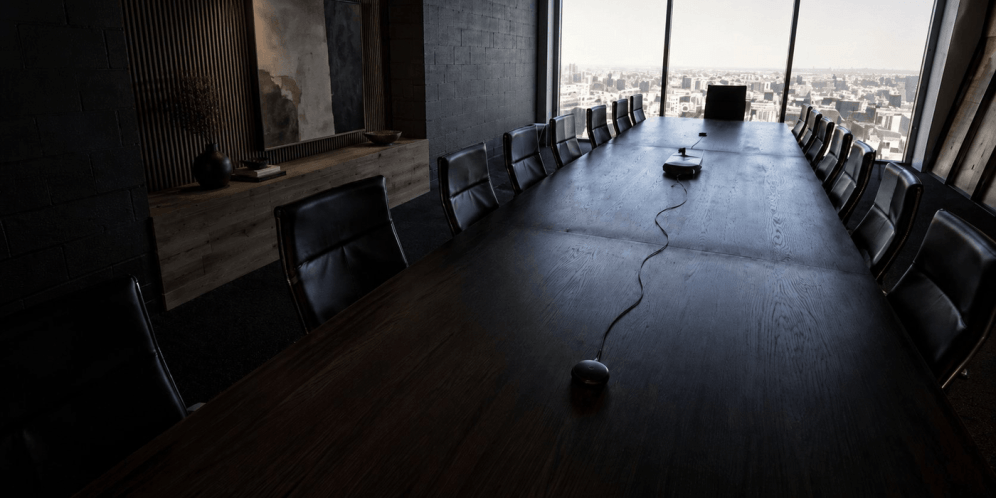
The Meeting That Set the Wrong Tone
A partner takes an intro call with a target CEO.
The call is friendly. The CEO walks through the business and talks growth plans. The partner asks reasonable questions and leaves with a fair first impression.
A week later, the analyst flags something:
- The CEO sold his last business to a sponsor in 2019.
- That sponsor wrote it down two years later.
- The exit was managed, not celebrated.
None of it came up in the call. Nobody in the room knew it going in.
The partner missed the only question that mattered: what did you learn the last time you sold a business to people who looked like us?
The meeting wasn't wasted. It just didn't earn the firm any ground.
Why Prep Quietly Slips
External meetings get booked faster than they get prepared for.
The invite goes out. The partner checks LinkedIn on the way in. The associate who could have written a brief was on a different deal. Nobody owned it, so nobody did it.
In a busy month a senior takes thirty meetings tied to live or potential deals:
- Target CEOs.
- Sell-side bankers.
- Counterparty sponsors.
- Advisors running a process the firm wants in.
A handful get prepared properly. The rest run on instinct.
That isn't a system. It's luck.
What That Costs
A cold meeting costs the firm in three ways.
1. The angle that wasn't taken. The CEO has been here before. The banker ran the comparable last year. The counterparty already passed on this asset at a different number. Information sitting in the public record, unread.
2. Credibility. Bankers and management teams calibrate on the first meeting. A partner who walks in informed signals a firm that moves with conviction. A partner who walks in cold signals one that will take three weeks to get to a view.
3. The senior hour itself. A partner running unprepared is still a partner running. The most expensive labour the firm pays for, spent extracting basic background instead of testing the things only they can test.
None of this shows up as a line item. It shows up as deals won at a worse price, processes the firm wasn't invited into, and conviction that took an extra week to land.
What a Real Brief Looks Like
One page. Delivered the day before. Read in under five minutes.
It contains four things:
1. Who they are. The person, the firm, the recent deals they've been close to, the track record they're trading on.
2. Where they intersect with us. Whether we've met them before, what was said, which of our portfolio or live processes they touch.
3. What they've said or done in the last six months. A recent transaction. A panel quote. The conference last week where they named three assets they think are interesting.
4. The three things worth getting from this meeting. Specific, ranked, answerable. Not "build the relationship." The three things the partner couldn't get from anyone else.
No deck. No firm overview. No restatement of what we already know.
The Question Worth Asking
Look at the last ten external meetings your seniors took.
- For how many did a written brief land in their inbox the day before?
- How many of those briefs told the partner something they couldn't have found in three minutes on LinkedIn?
If the honest answer is most went in cold, the gap isn't capacity. It's a missing piece of operating discipline.
The firms compounding an edge in this market don't take more meetings. They walk into the same ones knowing more.


